「一個人便能構成非法集會」淺談新加坡集會結社的困境 "Even a single person can be considered an assembly in Singapore" A brief introduction of the rights to assembly and association in Singapore(CN/EN)
「一個人便能構成非法集會」淺談新加坡集會結社的困境 "Even a single person can be considered an assembly in Singapore" A brief introduction of the rights to assembly and association in Singapore(CN/EN)
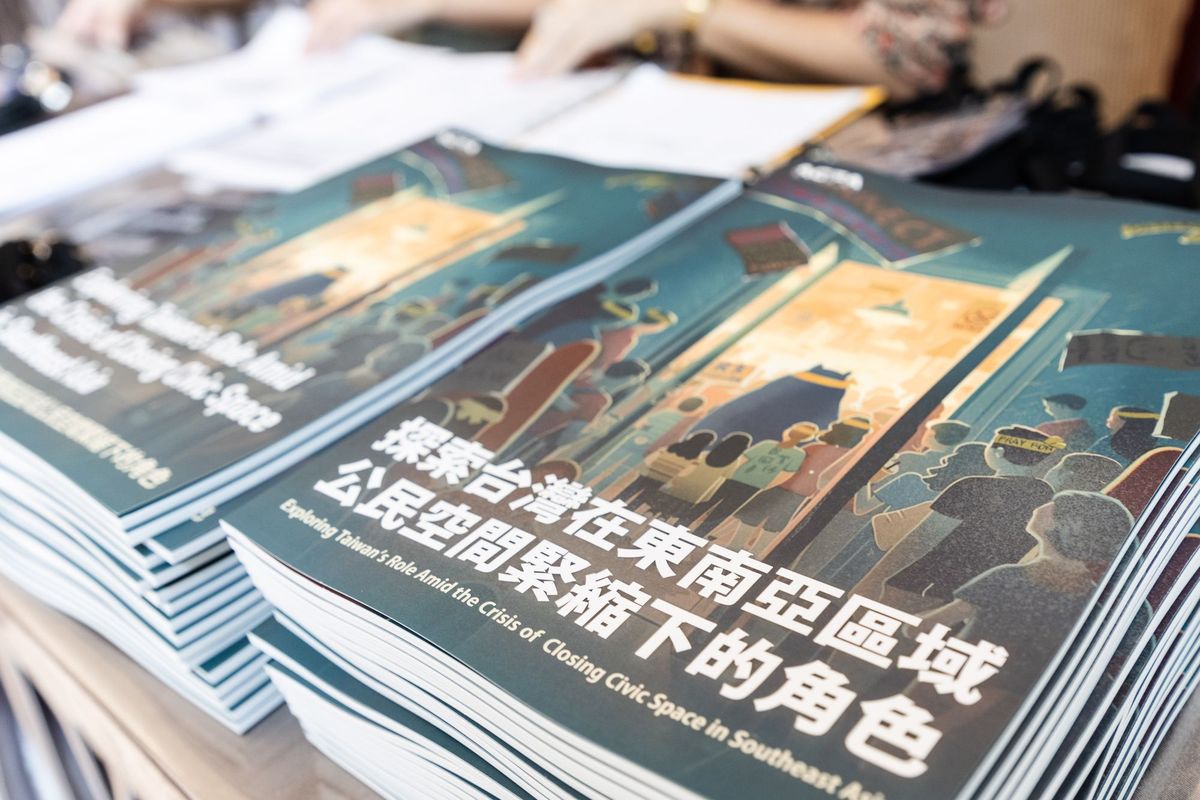
「探索台灣在東南亞公民空間緊縮下的角色」研究發布暨論壇
本論壇為亞洲公民未來協會(ACFA)【2023台灣與東南亞社會議題週(ACFA 2023 Taiwan and Southeast Asia Civil Society Week)】主要活動。
邀集十位來自七個東南亞國家的NGO、獨立媒體、律師、學者赴台。近七十位參與者加入此論壇共同討論東南亞區域公民空間緊縮的現況與挑戰,參與者包含國際組織、東南亞區域公民社會組織、台灣公民社會組織、獨立媒體、律師、學者、立法委員等。
論壇聚焦在:(一)重申結社權的重要性及討論保護結社權的策略;(二)了解台灣公民空間和法律框架對於保護外國人結社權的挑戰、短處以及實務案例;(三)東南亞之中七個國家的結社權與公民空間現況;(四)在區域公民空間緊縮的背景下,台灣公民社會如何在區域公民空間緊縮下扮演重要角色,使東南亞的公民社會組織和人權捍衛者能夠降低工作的風險及代價,延續使命並達成目標。
亞洲公民未來協會邀請關注新加坡公民社會與人權的專家,分享新加坡結社自由的現況與挑戰,本文為此次演講之紀錄。
紀錄與撰文:楊俐英
目前新加坡存在的公民社會團體主要以性別平權、移工、工人等團體為主,大部分團體以提供服務為主而非權利倡議。新加坡結社自由困境可以從結構上的限制、實務上的困難,以及缺少社會大眾的支持等面向了解。
1. 結構上的限制:組織立案以及挑戰現有法律框架的空間極為有限
a. 根據《社團法(Societies Act)》 的規定,在新加坡只要十個人便能立案一個社會團體。以法律條文來說,特別對於服務性質的組織或是利益團體等,申請立案並不困難。然而,若工作涉及政治及人權相關議題,申請立案時則容易受到拒絕。被拒絕的組織雖然可以提出上訴,但一旦提出上訴遭到部長的駁回,便無法藉由司法途徑申請撤銷駁回或其他救濟。
b. 歷史上,新加坡的工會雖然是由行動主義開始,但現今新加坡的工會主要由與長期執政的人民行動黨(People’s Action Party)密切關連的「新加坡全國職工總會(National Trades Union Congress, NTUC)」主導。此外,NTUC的領導者通常也由人民行動黨的官員擔任,因此在實際工作上NTUC提供PAP政府許多寬容的空間。
c. 新加坡法的法律專業領域,包含及法庭等,普遍傾向保守,缺乏提出不同觀點以及挑戰法律解釋的意願,甚至曾有律師遭吊銷執照懷疑是因為參與反對死刑的行動和訴訟。在此情況下,從法律的角度爭取結社自由的空間難上加難。
2. 實務上的困境:針對政治參與以及人權議題倡議相關組織的立案限制多
a. 從事政治或人權倡議相關工作的外國及國際非政府組織難以在新加坡立案,法律對於非新加坡公民的政治參與設有限制,舉例來說,若Amnesty International想在新加坡立案從事活動,實務上可能面臨一些挑戰。
b. 由於《公共秩序法 (Public Order Act)》規定一個人便能構成非法集會,公民社會組織難以進行閉門會議以及發布連署書以外的活動。
c. 包含《刑法》誹謗罪(Defamation under the Penal Code)、《網路假訊息和操縱法(POFMA)》等法律被用來針對批判政府或政府政策的公民社會組織與個人。此外,在新加坡,法庭訴訟程序的代價極高,因此對於沒有足夠資金的個人或組織而言,難以利用訴訟程序來反抗法律上的控訴及打壓。
d. 《反境外勢力法(Foreign Interference (Countermeasures) Act)》容易被用來對公民社會組織加以實施打壓,針對組織資金來源加以嚴格限制與管控。值得注意的是,政府對於營利機構和公司的限制反而較為寬鬆。因此長年來,緬甸軍方與許多新加坡私人企業有金錢與貿易上的往來,已有聯合國報告顯示新加坡企業為緬甸軍方暴政提供協助。
3. 社會大眾對議題冷漠,缺少支持
a. 社會大眾在人民行動黨長期執政之下,普遍對人權議題的瞭解有限以及缺乏興趣。此外,大眾傾向對當局盲從,並且對於議題態度冷漠。除了參與選舉之外,對於政治和人權參與,以及挑戰當局的意願低。
b. 當局支持者無法接受異溫層觀點,甚至針對批判政府或政策的行動者進行騷擾、威脅,及人身攻擊。
Currently there are civil society organizations existing in Singapore; most of them focus on issues revolving around LGBT and gender equality, labor, and migrant workers. Furthermore, most of the organizations are service provisions rather than advocacy based organizations.
Obstacles to freedom of association in Singapore can be understood through several aspects:
1. Institutional barriers
a. According to the Societies Act, ten people can form and register as societies; although on paper, it is relatively open and easy for service-based organizations and interest groups to be registered, it is difficult for organizations that are deemed political. One can file an appeal for a registration of societies to the minister that has been rejected, but the ministers can turn down registrations without recall to the court. Therefore, in terms of societies, the court option is barely available.
b. Historically speaking, trade unions in Singapore began with activism. Today, the trade union scene in Singapore is dominated by the National Trades Union Congress (NTUC), which is closely affiliated with the long ruling People’s Action Party (PAP) and allows the PAP to have a lot of oversights.
c. The legal professions, including the courts, are quite conservative. They generally follow the letter of the law. There is usually a lack of willingness to challenge interpretations or to bring different perspectives. Therefore, it is difficult to strive for the right to association through legal aspects.
2. Practical restrictions
a. There are a lot of restrictions on the non-locals’ political participation. INGOs that are deemed to have involvement with political activities would not be able to be registered.
b. In Singapore, the Public Order Act regulates that a single person can be considered an assembly or a procession. So it is difficult for organizations to have activities beyond closed-door meetings and writing letters.
c. Laws including the Defamation under Penal Code, Protection from Online Falsehoods and Manipulation Act (POFMA), and so forth, are used against civil society organizations and individuals who criticize the governments or policies. Furthermore, in Singapore, the court procedure is very expensive. Therefore, it is difficult to contend defamation and other accusations in court if one is unable to come up with the funds.
d. The Foreign Interference (Countermeasures) Act (FICA) is used against civil society organizations to put a lot of restrictions on funding. Notably, the restrictions on companies are relatively relaxed. Unfortunately, this is how Singapore becomes, knowingly or unknowingly, implicit with the Myanmar junta’s violence with many companies involved with the Myanmar junta’s trades of weapons.
3. Lack of societal support
a. Singapore society, given the long period of rule under the PAP, generally has very limited understanding or interests in rights issues. Furthermore, there is also a lot of trust in authority and belief that everything the authority does is correct. Although there are Singaporeans who are more optical, it is difficult to get them to stand out for things other than voting.
b. Some citizens who support the government cannot accept different perspectives. Sometimes there are activists who are trolled, harassed, threatened, or physically assaulted, and these are not necessarily done by the state; sometimes it might be done by citizens as well.